
by David M. Carollo –
Holy Week is approaching fast.
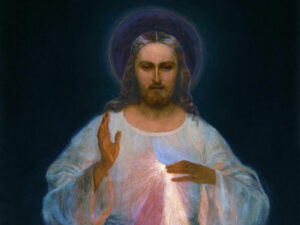
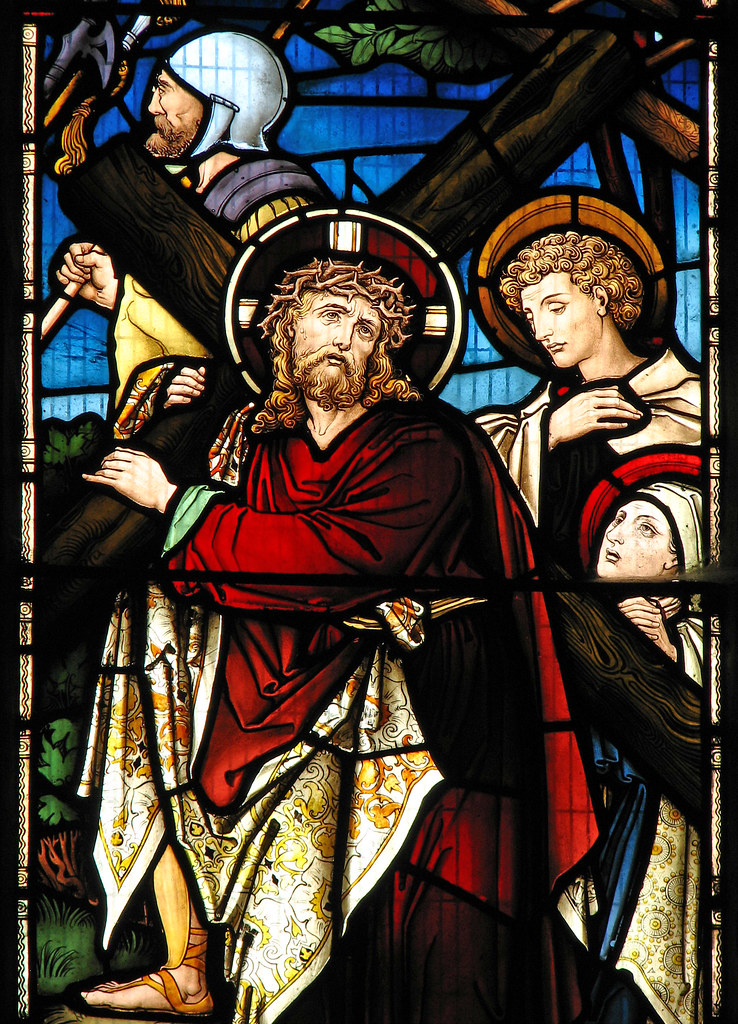
As we look back on this Lent, most of us will certainly feel that we have not fulfilled the promises made on Ash Wednesday, when we planned a perfect period of abstinence and made a commitment to attaining perfection. Oh well, I guess that we are imperfect people after all. Throw it all out the window and consider the past days a waste? Not really. Perhaps we should be introspective and analyze our failures, looking to build on what was accomplished in our spiritual journey towards Good Friday. Yesterday is gone and tomorrow is another day, one in which we can pick up our commitments and continue the journey. Jesus fell three times on the way to Calvary but got up and fulfilled the mission. What was accomplished that day defines us. The debt was paid for Original Sin and the Gates of Heaven were opened for those who choose to become worthy of passing through.
During Lent we have two feast days in which we celebrate the lives of saints who picked themselves up from adversity and carried on: St Joseph, who led the Holy Family in uncertainty, and St. Patrick, who escaped slavery in a foreign country and later returned to evangelize the nation that held him captive. These great men never gave up and accomplished the mission set in front of them. Patience and perseverance are the marks of a person devoted to Christ. The difficulties of His Passion brought about the glorious triumph over death. Our pilgrimage in life was never going to be an easy journey; Christ affirmed this by His life. Just two more weeks and that juicy steak can be in front of you once again!
In the Creed, we profess that after His death, “He descended into hell,” not the place of the damned, but the Limbo of those just individuals who lived good lives and repented of their sins, waiting for Paradise to be opened by His sacrifice. They accompanied Him to heaven where they took their place in eternal glory before He returned to Earth, resurrected from the dead and gave final directions to His disciples – by the example of His Passion, death, and resurrection that they also must sacrifice all for the salvation of souls.
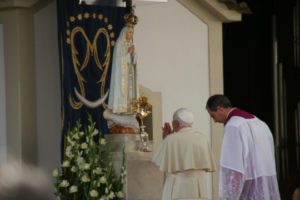
Only those who live lives of charity towards others by aiding them on their journey towards salvation can truly understand the mission Christ left for us. He perfected the ways of the chosen to carry on the work, and He gave us a new covenant which leads us to perfection. Humanity built a great culture on this foundation. Throughout history however, we have turned away from God and followed an errant path. Our Lady came to Fatima to warn us that we were off track and needed to repent. As in the time of Noah, we are in jeopardy of suffering a great disaster here on Earth if we do not course correct, but an even greater individual tragedy of losing our souls – eternal misfortune awaits us if we fail to respond to the warnings and the laws given by Divine revelation through the ages.
Our fallen nature causes us to gravitate always away from God and His law and to become lax in our commitments. Temptation to experience something “better” diverts our attention from the proper focus of adherence to the law. The first sin in the Garden was prompted by the temptation to experience something more appealing than what God directed. We veer towards a false promise of better things, although we have the greatest tools imaginable in the Sacraments of Confession and the Holy Eucharist to fill us with grace to discern properly. Frequent reception of the Eucharist – daily, if possible – builds our spiritual strength and makes us more like the One that we consume at the altar: “Unless you eat My body and drink My blood you have no life in you.”
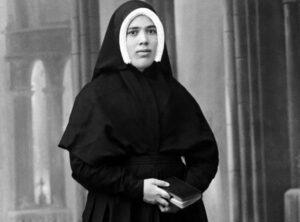
When Easter Sunday comes, we rejoice as we should as we now have the invitation to step through the door to salvation. Our free will allows us to make a choice to attain or reject eternal life. After seeing the vision of hell, St. Jacinta stated, “Why would anyone want to go there?” Even at her young age she realized that no one is lost by accident. Actions have consequences despite the denial of this reality that permeates our world today. We choose our path often by following the distractions of our modern world, not by the quiet urgings of the Lord and Our Lady. The chaos of our present day is the poison we consume. Our human journey is one of bumps and bruises, successes, and failures. Perseverance is the key to success.
The old Baltimore Catechism posed a series of questions followed by answers. The first one asks it all, in my opinion: “Why did God make me? To know, love and serve Him in this life and to be happy with Him in the next.” By picking up and continuing the journey after we fall, we are on the road to success and will attain union with God.
Have a blessed Triduum.
David Carollo is the Executive Director of the World Apostolate of Fatima USA/National Blue Army Shrine. He wrote this for his Voice of Fatima column.